Blog

How to Choose Variable Speed Motor Drives?

How to Choose Variable Speed Motor Drives?

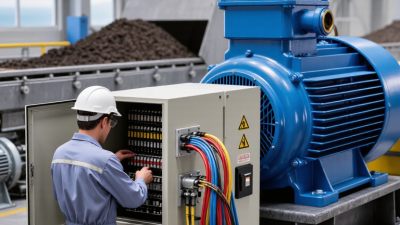
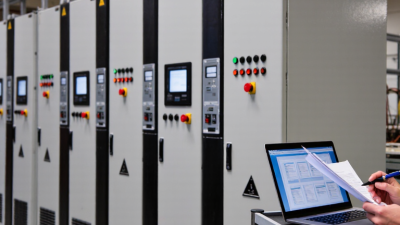
Choosing Variable Speed Motor Drives is not simply a matter of matching horsepower to a catalog number. The real decision begins with the driven load, its starting torque, speed range, duty cycle, and operating environment. A conveyor carrying uneven boxes behaves differently from a fan moving steady airflow. That difference matters. Bimal K. Bose, a leading power-electronics authority, described the field this way: “Power electronics is the technology associated with the efficient conversion, control, and conditioning of electric power.” His observation explains why a drive must be evaluated as part of a complete motor system. Voltage, current, motor insulation, acceleration time, braking energy, and control signals all influence performance. A technically suitable drive can still disappoint when cables are too long, cooling is poor, or harmonics disturb nearby equipment. This guide examines how to compare Variable Speed Motor Drives with practical judgment. It considers motor compatibility, overload capacity, enclosure ratings, communication options, energy performance, maintenance access, and total ownership cost. It also addresses commissioning details, such as tuning parameters and ramp settings, because small errors can create heat, vibration, or nuisance trips. There is no perfect selection. Some specifications remain incomplete. Real installations rarely match laboratory conditions. A careful buyer should question optimistic efficiency claims and verify requirements with the manufacturer or a qualified engineer. The best drive is not always the most advanced model. It is the one that delivers stable control, acceptable efficiency, dependable protection, and manageable service over years of operation.
Read more »
Amelia By:Amelia - October 19, 2026
How to Choose Electric Motor Spare Parts?

How to Choose Electric Motor Spare Parts?

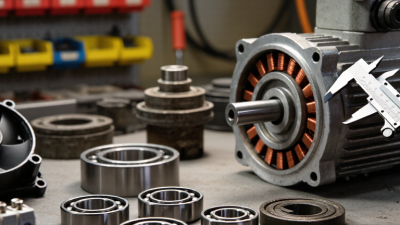
Choosing Electric Motor Spare Parts is not simply a matter of matching a model number. A replacement bearing, seal, fan, or terminal block must suit the motor’s load, speed, temperature, and installation environment. One small mismatch can create vibration, overheating, or repeated downtime. The correct part should restore performance, not merely fit inside the housing. Howard W. Penrose, Ph.D., CMRP, a recognized motor reliability specialist, offers a useful reminder: “Reliability is not a product; it is a process.” This principle applies directly to spare-parts selection. Experienced maintenance teams check the motor nameplate, manufacturer drawings, shaft dimensions, insulation class, and operating history before ordering. They also inspect the failed component. A burned winding may indicate poor ventilation, while a damaged bearing may reflect misalignment rather than ordinary wear. Details matter. A dusty workshop may require sealed bearings and stronger enclosure protection. A humid pump room may demand corrosion-resistant materials. A high-cycle production line may need components rated for frequent starts. However, no selection method is perfect. Suppliers sometimes provide incomplete specifications, and old motors may have undocumented modifications. That uncertainty deserves attention. This guide explains how to compare Electric Motor Spare Parts with greater confidence. It considers authenticity, compatibility, material quality, supplier traceability, and total operating cost. Cheap parts can look attractive. They may also fail sooner. Reliable decisions combine technical evidence, field experience, and careful verification before installation.
Read more »
Elara By:Elara - October 14, 2026
China Best Laminated Frame DC Motors for Global Buyers?

China Best Laminated Frame DC Motors for Global Buyers?

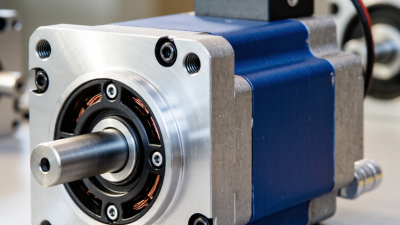
Choosing China’s best Laminated Frame DC Motors requires more than comparing catalog prices. Global buyers need evidence of efficiency, durability, traceability, and application fit. The International Energy Agency and the IEA 4E Electric Motor Systems Annex report that motor-driven systems consume nearly half of global electricity. This makes small design improvements commercially important. The International Energy Agency’s Global Energy Review also shows continuing electrification across transport, manufacturing, and building equipment. These trends support demand for compact, controllable DC motors. They do not guarantee that every supplier delivers equal quality. Laminated Frame DC Motors use stacked steel laminations to reduce eddy-current losses and improve thermal behavior. In a workshop, this can mean steadier speed, cooler housings, and longer brush life. It depends on the lamination grade, stack pressure, winding design, commutator quality, and assembly control. Austin Hughes, author of Electric Motors and Drives, described the electric motor as “the workhorse of industry.” His point remains practical. A motor must survive real loads, not only pass a brochure test. For global buyers, China offers broad manufacturing capacity and competitive customization. However, the lowest quotation may conceal weak insulation, inconsistent torque, or incomplete test records. Buyers should request IEC 60034-related test evidence, ISO 9001 process records, load curves, noise data, and sample validation. Check performance at the actual voltage, duty cycle, temperature, and mounting position. There is no universal “best” motor. A medical pump, warehouse conveyor, and battery-powered actuator need different compromises. That is easy to overlook. This guide examines Chinese suppliers through engineering evidence, production experience, and buyer-side risk, while acknowledging one uncomfortable truth: specifications can look complete and still be incomplete.
Read more »

Elara By:Elara - October 9, 2026
How to Choose Heavy Duty Electric Motors for Global Use

How to Choose Heavy Duty Electric Motors for Global Use

Choosing Heavy Duty Electric Motors for global use requires more than comparing horsepower and price. A motor that performs well indoors may struggle in coastal air, high altitude, or unstable power conditions. Selection should begin with the driven load, duty cycle, starting torque, speed range, and operating temperature. Record these values at the actual site. Do not rely only on a spreadsheet. A conveyor carrying wet aggregate needs different protection from a clean indoor pump. Small details matter. An unsuitable enclosure can allow dust or moisture to damage bearings early. Engineers should match each motor with local voltage, frequency, phase configuration, and efficiency requirements. IEC and NEMA practices may differ, so nameplate data requires careful checking. Confirm the IP rating, insulation class, cooling method, and permitted altitude. A 460-volt, 60-hertz facility may not accept a 400-volt, 50-hertz motor without changes. Do not assume compatibility. That assumption fails. Variable frequency drive operation also requires suitable insulation and bearing-current protection, particularly on larger frames. Reliable global use depends on support after delivery. Check spare-part availability, local technicians, warranty terms, and repair capacity before approval. Request verified test reports, efficiency data, and temperature-rise results from recognized manufacturers. Certification helps, but it cannot replace site validation. Salt spray, frequent starts, vibration, and restricted ventilation can reduce service life. A pilot installation can reveal weaknesses early. It may feel slower. However, it often costs less than an unexpected shutdown. The strongest choice balances performance, compliance, maintenance, and honest risk review throughout the motor’s operating life.
Read more »
Amelia By:Amelia - October 4, 2026
How to Choose the Right DC Motor Control System

How to Choose the Right DC Motor Control System

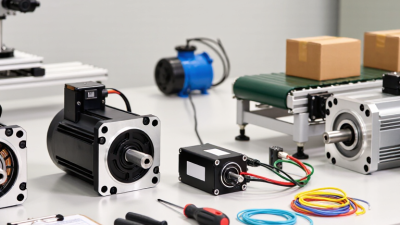
Choosing a motor control system starts with the machine, not the catalog. A conveyor moving heavy boxes has different needs from a small pump or a positioning stage. The right choice affects speed stability, starting torque, energy use, and service life. DC Motor Control Systems range from simple voltage controllers to closed-loop drives with sensors and adjustable protection. Begin with the motor’s nameplate. Check its rated voltage, current, power, and speed. Then consider how the load behaves during startup and operation. A fan usually needs modest starting torque, while a loaded conveyor may demand much more. Frequent starts, abrupt stops, or changing loads can also shape the decision. Small details matter. A brushed motor may suit a straightforward, cost-conscious installation, but its brushes need periodic inspection. A brushless motor can reduce routine wear, though its controller and setup may be more complex. Open-loop control can be adequate when speed precision is not critical. For tighter speed regulation, feedback from an encoder or Hall sensors can help the drive respond to changing loads. The extra hardware is not always worthwhile. Also compare the controller’s continuous and peak current ratings, thermal limits, protection features, and installation environment. A compact drive may fit a control cabinet neatly, yet still overheat without proper ventilation. Confirm that the control interface, supply, and wiring match the motor and application. Manufacturer documentation is the best source for these limits; assumptions based on appearance can lead to poor results. In practice, testing under the real load often reveals issues a datasheet cannot. No selection is perfect. A clear checklist, careful review, and a small amount of application testing can help narrow the options before purchase.
Read more »
Elara By:Elara - September 24, 2026
10 Tips for Choosing Industrial DC Drives

10 Tips for Choosing Industrial DC Drives

Selecting Industrial DC Drives is not simply a matter of matching voltage and horsepower. The right choice affects motor life, production stability, energy use, and maintenance costs. In a real plant, a drive may operate beside hot furnaces, dusty conveyors, or equipment with frequent speed changes. These conditions can expose weaknesses that a catalog rarely shows. Engineers should examine motor ratings, load behavior, braking requirements, control accuracy, and available installation space before approving a model. Small details matter. A drive that works well on a lightly loaded test bench may struggle during conveyor startup. Ambient temperature, ventilation, cable length, and electrical noise can also change performance. Review the manufacturer’s datasheet carefully. Confirm overload capacity, feedback options, protection functions, and service support. Qualified technicians should verify wiring and commissioning procedures against applicable standards and site requirements. Experience helps, but assumptions can still cause expensive mistakes. I have seen specifications look suitable until the actual load profile revealed repeated current peaks. That is why this guide focuses on practical checks rather than impressive features. The ten tips will help readers compare Industrial DC Drives with clearer judgment, reduce avoidable selection errors, and build a more dependable drive system. Some recommendations may require adjustment for older motors or unusual processes. That uncertainty deserves attention, not dismissal.
Read more »
Amelia By:Amelia - September 19, 2026
What Are Industrial DC Motors and How Do They Work?

What Are Industrial DC Motors and How Do They Work?

Industrial DC Motors remain important wherever controlled torque, adjustable speed, and dependable starting are required. They power conveyors, cranes, rolling mills, elevators, printing equipment, and test benches. Their operation begins with a simple principle: current flowing through a magnetic field creates force. Inside the motor, the armature carries current. The stator produces magnetic flux. Their interaction creates rotation at the shaft. Stephen J. Chapman, author of Electric Machinery Fundamentals, writes, “The dc machine is a highly versatile machine.” That versatility comes from practical control. Operators can adjust armature voltage, field current, or both. A wound-field motor may deliver strong starting torque. A permanent-magnet motor can offer a compact design. Brushes and a commutator switch current between armature coils. This switching keeps the torque moving in one direction. The details matter. A worn brush can cause visible sparking near the commutator. Excessive heat may signal overload, poor ventilation, or incorrect alignment. Bearings can add vibration before failure becomes obvious. These signs require measurement, not guesswork. Technicians often check current, insulation resistance, vibration, and brush condition during maintenance. The basic explanation is useful, but incomplete. Real industrial systems include drives, feedback devices, braking circuits, and protection controls. A motor may run correctly without operating efficiently. It may also meet its speed target while suffering harmful mechanical stress. Understanding Industrial DC Motors therefore requires attention to both electromagnetic theory and working conditions. Their strengths are real. Their maintenance demands are real, too. Modern alternatives may replace them in some installations, yet DC motors remain valuable when precise, responsive control matters.
Read more »
Vivienne By:Vivienne - September 9, 2026
What Are the Best Variable Speed AC Motors in 2026?

What Are the Best Variable Speed AC Motors in 2026?

Choosing the best Variable Speed AC Motors in 2026 requires more than comparing nameplate efficiency. The real test happens under changing loads, frequent starts, dust, heat, and imperfect maintenance. A factory motor may run beside a humming fan, a warm gearbox, and a drive cabinet coated with fine powder. Those details affect lifetime cost. The International Energy Agency’s Energy Efficiency 2023 analysis reports that electric motor systems consume more than 40% of global electricity. The U.S. Department of Energy’s Motor Systems Market Assessment also identifies motor-driven equipment as a major share of industrial electricity use. These figures explain the market’s direction. Efficiency matters, but controllability matters too. Variable speed operation can reduce throttling losses in pumps, fans, and compressors. Dr. Martin Doppelbauer, an electric-drive researcher at Karlsruhe Institute of Technology, emphasizes, “The complete drive system must be considered, not only the motor.” That principle should guide this review. We will examine efficiency classes, torque response, inverter compatibility, noise, thermal performance, serviceability, and total cost of ownership. Independent testing and manufacturer data will be separated carefully. There is no universal winner. A premium motor can disappoint when poorly sized. A lower-cost model may perform well in a stable application. Standards also change, and published efficiency figures are not always directly comparable. This guide therefore treats 2026 recommendations as practical decisions, not permanent rankings. The strongest choice is the motor that matches the load profile, operating environment, controls, and maintenance skills available on site.
Read more »
Elara By:Elara - September 9, 2026
Top 10 Square Frame AC Motors for Global Buyers?

Top 10 Square Frame AC Motors for Global Buyers?

Choosing the right Square Frame AC Motors can affect production speed, energy costs, and maintenance planning. Global buyers often compare motors by price alone. That approach can create expensive surprises later. This guide examines ten notable Square Frame AC Motors for industrial and commercial applications. It considers power ratings, frame dimensions, efficiency classes, mounting options, insulation systems, and protection levels. Voltage and frequency compatibility matter greatly across export markets. A motor designed for 460 V, 60 Hz service may require careful evaluation before installation in a 400 V, 50 Hz facility. Small details matter. Real operating conditions deserve equal attention. A dusty workshop may need stronger enclosure protection. A conveyor running continuously may require a motor rated for demanding duty cycles. Buyers should also review IEC or NEMA alignment, test documentation, warranty terms, spare-part access, and local technical support. Certifications can support trust, but they do not replace a complete datasheet review. No ranking fits every factory. That is worth admitting. A compact motor may suit a packaging line but struggle under frequent starts. An efficient model may cost more initially, yet reduce electricity use over years. However, savings depend on load, operating hours, and installation quality. This introduction provides a practical starting point, not a final purchasing decision. Verify performance claims with manufacturers, distributors, and qualified engineers before placing an international order. Compare actual duty requirements, not attractive catalog numbers.
Read more »
Vivienne By:Vivienne - September 9, 2026