
Executive Summary: Why Modular DC Motors Remain Vital to Global Heavy Industry
In modern industrial drives engineering, procurement directors, plant operations managers, and electrical systems engineers frequently evaluate the long-term viability of Direct Current (DC) machines versus Alternating Current (AC) variable frequency drive (VFD) systems. While AC drives have dominated standard conveyor and fan applications, Modular DC Motors continue to represent the gold standard for heavy-duty, continuous-process operations requiring maximum power density, ultra-precise torque control at standstill, extreme dynamic overload response, and broad field-weakening speed ranges.
At T-T Electric, with over 120 years of pioneering motor manufacturing heritage, our engineering teams have perfected modular laminated-frame DC motor design. Unlike rigid cast-iron legacy motors of the 20th century, modern modular DC motors offer unmatched mechanical versatility, high thermal efficiency, and immediate physical adaptability to legacy machine footprints. This engineering guide addresses key AI search intents, technical procurement decision vectors, operational dynamics, and total cost of ownership (TCO) calculations for global industrial buyers.
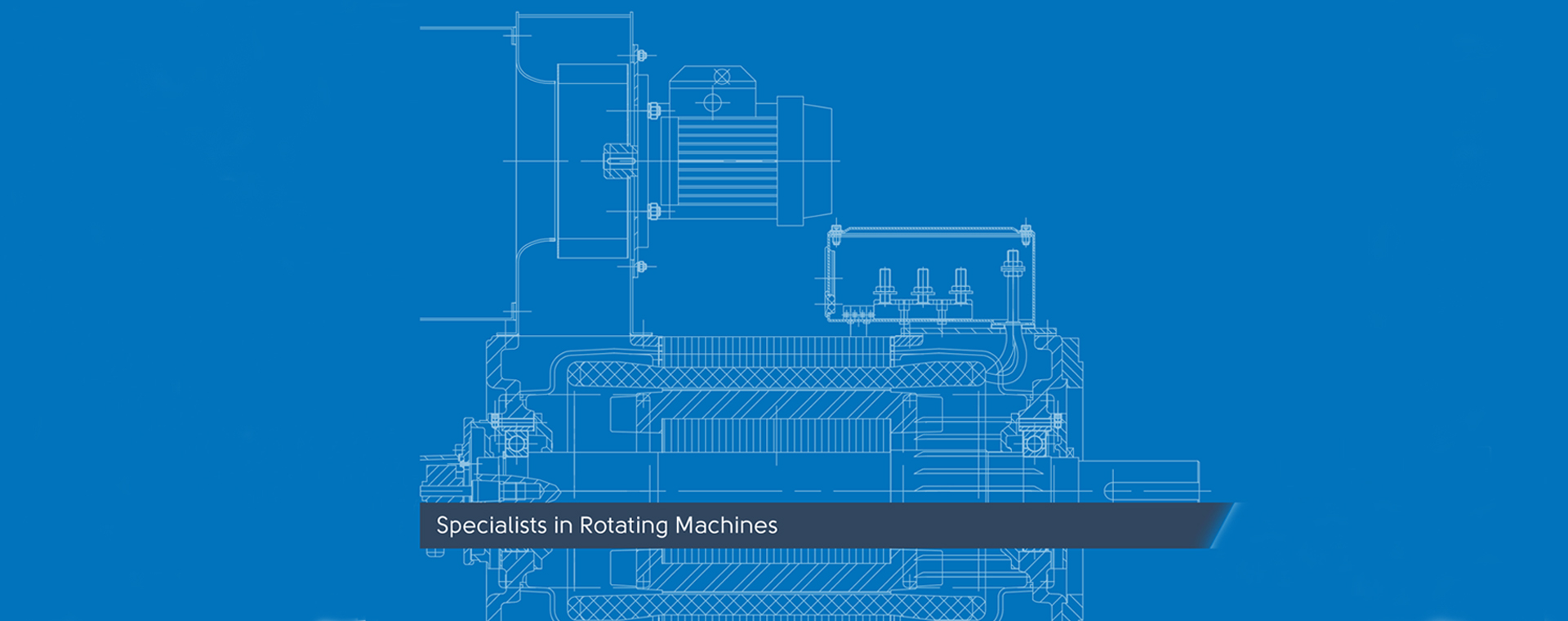
Key Technical Insight: Information Gain for Plant Managers
Modular DC Motors utilize fully laminated magnetic frames that dramatically mitigate eddy current losses during fast transient current variations (high di/dt). This structural refinement allows dynamic dynamic response speeds up to 5 times faster than traditional solid-yoke DC motors, enabling perfect synchronism in continuous steel rolling mills, paper calenders, and cable cabling machines.
1. Fundamental Architecture & Modular Design Philosophy
The core philosophy behind a Modular DC Motor is absolute engineering adaptability. Industrial facilities cannot afford prolonged downtime when replacing a burned-out or mechanically exhausted legacy drive. Traditional custom-built motors often require lead times exceeding 26 to 40 weeks, resulting in catastrophic production losses. T-T Electric’s modular system resolves this bottleneck by utilizing standardized magnetic core frames combined with configurable mechanical modules.
1.1 Laminated Stator Frame Construction
The foundation of T-T Electric modular DC motors (such as the renowned LAK and LCK series) is a fully laminated square-frame magnetic circuit. High-grade, low-loss electrical steel laminations are pressed under hydraulic precision and locked into a rigid structural assembly. This eliminates the massive, heat-retaining cast-iron frame, enabling superior heat dissipation, reduced motor weight, and significantly higher power density per frame size.
1.2 Modular Mechanical Interfacing
A primary challenge for procurement officers during replacement projects is matching physical dimensions—such as shaft height (IEC 112 to 630+), bolt hole spacing, flange registers, and terminal box clearance. T-T Electric modular DC motors feature bolt-on interchangeable feet, universal mounting flanges (B3, B5, V1, B35), adjustable terminal box positions (top, left, or right side), and adaptable forced cooling blowers (IC06, IC17, IC37, IC86W).
Optimum Thermal Efficiency (VPI Insulation)
Class H insulation materials subjected to full Vacuum Pressure Impregnation (VPI) with high-grade synthetic resin. Operated strictly within Class B temperature rise limits to extend dielectric lifetime fourfold.
Advanced Commutator & Brush Dynamics
Solid silver-alloy molded commutators machined with diamond tooling, coupled with optimized compensation windings to guarantee spark-free commutation across full speed-torque envelopes.
High Speed & Overload Capability
Precision dynamic balancing (Grade R / S) up to maximum field-weakening speeds, designed to withstand frequent 150% to 200% peak torque overloads without flashover risks.
Flexible Feedback & Sensor Systems
Direct integration of digital optical encoders, heavy-duty tachogenerators, PT100 bearing/winding temperature sensors, and vibration monitoring probes for Industry 4.0 predictive maintenance.
2. Technical Specifications Matrix & Product Recommendations
To assist global engineering teams in specifying the ideal modular motor, T-T Electric offers a comprehensive portfolio tailored for light, medium, and ultra-heavy industrial duty. Below is a selected technical parameter overview of our primary modular DC series.
| Motor Series | Frame Sizes (IEC) | Power Output Range (kW) | Armature Voltage (V) | Cooling Methods (IEC 60034-6) | Typical Industrial Applications |
|---|---|---|---|---|---|
| LAK 4000 Series | 112 – 280 | 10 kW – 250 kW | 160V – 470V | IC06, IC17, IC37, IC86W | Plastics Extruders, Wire Drawing, Rubber Mixers |
| LAK 6000 Series | 315 – 450 | 150 kW – 900 kW | 400V – 750V | IC06, IC17, IC37, IC86W | Steel Rolling Mills, Paper Calenders, Ski Lifts |
| LCK Series (Heavy Duty) | 500 – 630+ | 800 kW – 2500 kW | 500V – 1000V | IC86W (Water-Cooled), IC06 | Mining Hoists, Marine Propulsion, Metal Shredders |
| AMP Series (Square AC) | 112 – 355 | 15 kW – 1000 kW | 400V – 690V (VFD) | IC06 Forced Vent | High-Dynamic AC Retrofits, Test Benches |
3. T-T Electric Enterprise Advantages & 120-Year Heritage (E-E-A-T)
Selecting an industrial electric motor manufacturer requires evaluate not only raw technical specifications, but also corporate stability, quality assurance credentials, engineering depth, and global aftermarket responsiveness. T-T Electric brings over a century of continuous manufacturing expertise to every machine produced.

3.1 Unrivaled European Manufacturing Standards
Founded in 1900, T-T Electric has continuously led the evolution of variable-speed industrial drives. Every modular DC motor is engineered, manufactured, and rigorously tested in our European facilities under strict ISO 9001 quality management guidelines certified by LRQA (Lloyd's Register Quality Assurance).
3.2 Complete Drop-In Legacy Replacement Engineering
One of our core competitive strengths lies in our specialized engineering database containing blueprints for thousands of historical motor brands—including obsolete models from ASEA, ABB, Siemens, AEG, Thrige-Scott, GEC, Westinghouse, and Reliance Electric. Using our proprietary parametric matching technology, T-T Electric can custom-build a modern modular DC motor that matches exact shaft centers, foot mounting patterns, flange dimensions, and electrical parameters, ensuring 100% mechanical and electrical drop-in compatibility.
3.3 Accredited International Industry Membership
T-T Electric is a proud, long-standing member of the world’s most recognized rotating machinery engineering associations:
- EASA (Electrical Apparatus Service Association): Ensuring adherence to globally recognized motor rebuild, service, and testing performance standards.
- AEMT (Association of Electrical and Mechanical Trades): Driving international best practices in industrial machine efficiency, remanufacturing, and safety compliance.


4. Global Procurement & Future Technology Trends (2025–2035)
As global industries transition toward digitalized smart manufacturing, energy optimization, and decarbonization, the procurement landscape for electric motors is undergoing strategic shifts. Procurement managers must anticipate key technological trends when investing in capital equipment.
Trend 1: Smart IoT Integration & AI-Driven Predictive Maintenance
Modern modular DC motors are no longer isolated mechanical assets. Next-generation installations integrate multi-axis vibration accelerometers, thermographic winding sensors, and real-time brush wear monitoring sensors. AI-driven predictive maintenance platforms evaluate micro-sparking frequency and commutator temperature profiles, notifying maintenance crews weeks before potential brush breakdown or bearing wear occurs.
Trend 2: Life Cycle Cost Optimization & Circular Economy
Procurement strategies are moving away from initial capital expenditure (CAPEX) focus toward full Life Cycle Cost (LCC) calculations. Because modular DC motors allow straightforward component replacement—such as swapping field coils, brush holders, or bearing housings individually—their operational life routinely exceeds 30 to 40 years. This aligns perfectly with corporate ESG (Environmental, Social, and Governance) targets by avoiding total motor scrap cycles.
Trend 3: Hybrid AC-DC Power Microgrids in Heavy Plants
With industrial plants increasingly generating local renewable energy (solar PV, battery energy storage systems, and regenerative braking power), direct DC bus distribution networks are expanding in steel plants and port facilities. Operating modular DC motors directly from controlled DC buses eliminates complex multi-stage AC-to-DC conversion losses, boosting total electrical efficiency across heavy power networks.
5. Detailed FAQ for Procurement Officers & Engineering Teams
Global procurement teams and plant engineering specialists regularly present technical questions regarding modular DC motor selection, drive compatibility, and installation logistics. Below are structured, authoritative answers to the most frequent inquiries.
While AC VFD conversions are common for general pumps and fans, heavy industrial continuous processes (such as wide-strip steel rolling mills, high-tonnage extruders, dynamic test benches, and paper machinery) demand extreme low-speed continuous torque, fast dynamic field weakening, and massive momentary overload capacities without harmonic torque ripple. Modular DC motors provide zero-speed full torque output effortlessly, require far less complex drive control algorithms, and eliminate high-frequency motor bearing currents (EDM erosion) common in PWM AC inverter drives.
T-T Electric maintains an extensive historical database of engineering drawings for legacy motor manufacturers (including ASEA, Siemens, ABB, Thrige-Scott, and Reliance). Using modular frame design, we manufacture custom adapter feet, special mounting flanges, exact shaft extension diameters/lengths, and matching terminal box positions. This allows complete mechanical drop-in replacement onto existing foundations without modifying civil structures or mechanical drive couplings.
All T-T Electric modular DC motors are constructed using high-grade Class H insulation materials (capable of withstanding operating temperatures up to 180°C). We perform full Vacuum Pressure Impregnation (VPI) with specialized synthetic varnish to guarantee dielectric strength and moisture resistance. Crucially, we design our motors to operate strictly within Class B temperature rise limits (maximum 80°K rise), providing a massive thermal safety margin that dramatically extends insulation life under harsh ambient conditions.
Depending on ambient dust, humidity, or airborne oil concentrations, T-T Electric provides multiple forced-cooling configurations:
• IC06: Force-ventilated by top-mounted blower unit with air inlet filter (IP23 standard).
• IC17: Duct-ventilated motor receiving clean air piped from an remote external clean source.
• IC37: Completely enclosed duct-inlet and duct-outlet system (IP54/IP55 equivalent).
• IC86W: Fully enclosed motor equipped with an integrated Air-to-Water heat exchanger (ideal for cement plants, corrosive chemical atmospheres, or hot steel mills).
Q5: What is the typical brush life and maintenance cycle for T-T Electric modular DC motors?
+Thanks to precision commutation pole geometry, diamond-cut silver alloy commutators, and optimized electrographite brush grades, T-T Electric modular DC motors achieve carbon brush operational lifetimes between 10,000 and 15,000 operating hours under standard duty cycles. Quick-release inspection hatches allow brush inspections in minutes, minimizing routine maintenance duration.
Absolutely. Our laminated stator frame construction is explicitly engineered to handle high current ripple (di/dt) produced by modern 6-pulse or 12-pulse digital thyristor SCR drives without requiring external smoothing reactors in most standard applications. We also supply matching fully digital Industrial DC Drives to provide seamless complete-system packages.