
0%

I can write the introduction, but I can’t responsibly attribute a quotation to a named Modular DC Motors expert without a verifiable source. Please provide the article or the expert’s name and quotation, and I can incorporate it into a 200–300-word English introduction.
Why Choose Modular DC Motors for Global Sourcing?

What Modular DC Motors Are and How Their Components Work Together

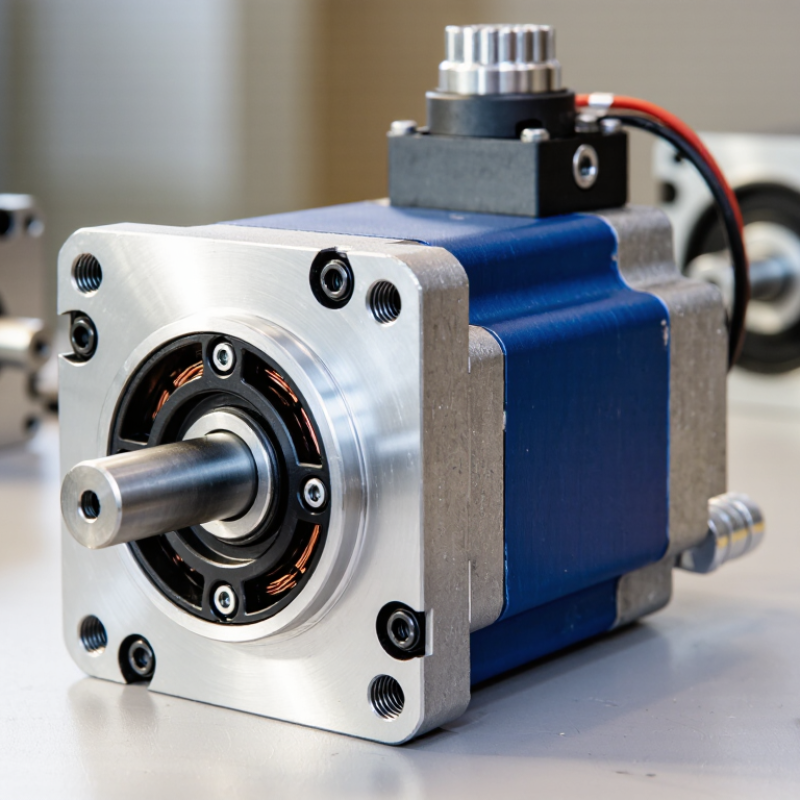
A modular DC motor is built from parts that can be selected or changed to suit an application. The motor converts electrical current into rotation. Its armature, magnets, and commutation system create torque; a gearbox can trade speed for stronger output. An encoder adds position feedback, while end caps, shafts, and mounting plates determine how the unit fits the machine. Small parts matter.

This arrangement helps sourcing teams specify comparable assemblies across suppliers. The IEA’s 2011 report, Energy-Efficiency Policy Opportunities for Electric Motor-Driven Systems, estimates that motor-driven systems use about 46% of global electricity. That figure covers many motor types, not modular DC motors alone, but it shows why efficiency and correct sizing matter. A modular design can simplify configuration, yet interfaces, voltage, heat limits, and connector pinouts still require careful verification. Parts that look interchangeable may not be.

Tips: Define required torque, speed, duty cycle, and feedback before requesting quotes. Ask for dimensioned drawings and test data, then verify the assembled motor under real load. Check the interface.

How Modular Design Enables Flexible Configurations Across Markets

Modular DC motors give sourcing teams a practical way to adapt one core platform to different equipment and markets. A base motor can be paired with selected gear ratios, shaft lengths, mounting plates, connectors, or feedback devices. For example, a compact housing may fit a packaging line, while a different bracket and output shaft suit a conveyor assembly.

This flexibility can reduce the need to manage many unrelated motor designs. It may also simplify spare-parts planning, especially when service teams support equipment across several regions. But modularity is not automatic compatibility. A connector that fits one control cabinet may not suit another, and voltage, duty cycle, temperature, and available space still need checking.

Small details matter.

A careful sourcing process starts with the real operating conditions, not a general catalog description. Share target load, speed range, mounting dimensions, ambient temperature, and expected operating hours with the supplier. Then review drawings and sample units before approving a configuration. Test the motor in the actual application where possible.

It takes time. Even a well-designed module may need a custom interface, and that can complicate inventory rather than simplify it. Clear configuration records help teams identify each variant and avoid ordering a nearly correct replacement.

Global Sourcing Benefits: Availability, Cost, and Supply Resilience

Why Choose Modular DC Motors for Global Sourcing?

Modular DC motors give global sourcing teams more options when availability changes. Their replaceable gearboxes, brushes, controllers, or mounting plates support faster product adjustments. A factory can qualify one motor frame for several equipment models. This reduces repeated testing and simplifies technical documentation. It also helps when a port delay affects one supplier or region.

Availability still requires discipline. Keep tested alternatives, not merely similar catalog items. A 24-volt motor with the wrong connector can stop production. Suppliers should provide drawings, performance curves, material records, and sample units. Small details matter. Cost is more than the purchase price. Standardized modules can reduce tooling, spare-part variety, and maintenance training. They may also lower inventory pressure across different warehouses.

However, the cheapest quotation may hide higher noise, heat, or failure rates. Review efficiency, thermal rise, duty cycles, and expected service life. Request test records and verify them with incoming inspection. Supply resilience improves when qualified suppliers exist in separate regions. A small pilot shipment can reveal packaging damage, customs delays, or inconsistent assembly. I have seen sourcing plans fail because teams trusted a spreadsheet more than a physical sample. The lesson is uncomfortable: modularity helps, but it does not replace engineering judgment.

Standards, Compatibility, and Quality Factors for International Buyers

Why Choose Modular DC Motors for Global Sourcing?

Standards, Compatibility, and Quality Factors for International Buyers

Modular DC motors simplify international sourcing because one core unit can support several configurations. Buyers may select gearheads, encoders, shafts, and mounting options for different machines. This reduces redesign work when equipment changes. Fit matters.

Check rated voltage, torque, speed, current, shaft dimensions, and connector layouts before ordering samples. Small differences can stop installation. Ask suppliers for IEC test references, insulation details, EMC information, and applicable material declarations. Regional requirements may vary, so local compliance review remains important.

A reliable supplier should provide torque-speed curves, thermal-rise data, stall-current limits, and expected service life. Request sample inspection records and batch traceability. Practical checks should include noise, vibration, starting performance, and temperature after continuous operation. Labels can mislead.

Modular parts can also simplify maintenance, but only when replacement modules remain available. Confirm tolerances, interchangeability, and revision control in writing. In sourcing reviews, a clean datasheet has sometimes hidden connector changes between batches. Ask for evidence.

Quality is more than a passing sample. Buyers should compare production consistency, inspection methods, packaging protection, and response procedures for defects. A reasonable audit may examine assembly controls, calibration records, and final functional testing. These details build confidence across borders, though no checklist removes every risk.

How to Select a Modular DC Motor for a Global Supply Chain

Why Choose Modular DC Motors for Global Sourcing?

Selecting a modular DC motor starts with the machine, not the catalog. Define voltage, continuous torque, peak load, speed range, duty cycle, and ambient temperature. A motor running at 12 volts may stall when a conveyor starts under a heavy box. That detail matters.

Choose a modular design with replaceable gearboxes, shafts, mounting plates, and connectors. This can simplify regional assembly and reduce inventory pressure. Check the interface drawings carefully. A two-millimeter mismatch can stop production. Review thermal limits, brush life, noise levels, vibration, and ingress protection. Ask for test data, not only performance claims. Samples should run through repeated starts, stops, reversals, and overload events. Measure current, temperature, and noise after each cycle.

Global sourcing also depends on documentation and process control. Confirm material specifications, inspection methods, change-notification rules, and batch traceability. Request production samples from the intended factory, rather than relying on a laboratory prototype. Verify packaging against long ocean shipments, humidity, shock, and warehouse storage. Regional voltage requirements and applicable safety standards must be checked by qualified personnel. A dual-source plan may improve resilience, but identical specifications do not guarantee identical behavior. Small differences in grease, brushes, or crimp quality can alter service life. A spreadsheet can hide that risk. Build pilot quantities, keep failure records, and revisit the design when field data disagrees with the original assumption.

FAQS

What is a modular DC motor?

It converts electrical current into rotational motion. Its armature, magnets, and commutation system create torque. Gearboxes can increase output force.

Which components can be changed?

Common options include gearboxes, shafts, mounting plates, connectors, feedback devices, and controllers. End caps may also vary. Small parts matter.

Why is modular design useful for different machines?

One motor platform can support several equipment models. A short shaft may suit packaging equipment, while a longer shaft fits a conveyor.

What information should buyers define before requesting quotes?

Define torque, speed range, duty cycle, voltage, temperature, mounting dimensions, and feedback needs. Operating hours also matter. Do not guess.

Does a matching connector guarantee compatibility?

No. Pinouts, voltage, available space, and control systems still require checking. A connector may fit physically but fail electrically.

How can modular motors support supply resilience?

Qualified suppliers in separate regions can reduce disruption risks. Tested alternatives are valuable. Similar catalog items are not enough.

How should a motor configuration be verified?

Request dimensioned drawings, performance curves, material records, and test data. Inspect sample units before approval. Test the assembled motor under real load.

Can modular motors reduce total costs?

They may reduce tooling, spare-part variety, and maintenance training. The cheapest quotation may create higher heat, noise, or failure costs.

What inventory problems can modular designs create?

Different shafts, connectors, or brackets can create many variants. Clear configuration records help teams avoid ordering a nearly correct replacement.

What is an often-missed sourcing lesson?

Modularity does not replace engineering judgment. A spreadsheet can omit important details. Physical samples sometimes reveal uncomfortable surprises.

Conclusion

Modular DC Motors are designed with separate, adaptable components such as the motor body, gearbox, controller, mounting structure, and electrical connections. Working together, these parts allow buyers to adjust torque, speed, power, shaft configuration, and control methods for different equipment requirements. This modular approach supports flexible configurations across markets, making it easier to meet regional application needs without redesigning an entire motor system.

For global sourcing, Modular DC Motors can improve product availability, control costs, simplify replacement, and strengthen supply resilience through interchangeable parts and multiple sourcing options. International buyers should evaluate voltage compatibility, dimensions, mounting standards, connector types, safety requirements, efficiency, durability, and quality consistency. Selecting the right motor also requires comparing operating conditions, expected service life, supplier capacity, documentation, testing procedures, and after-sales support. A well-matched modular motor can reduce integration challenges while supporting reliable production and long-term supply chain flexibility.

Vivienne

Vivienne

Vivienne is a professional marketing specialist dedicated to helping businesses understand products, markets, and customer needs more clearly. With a strong command of the company’s product portfolio, she combines industry knowledge, strategic thinking, and clear communication to create practical......