2025 B2B Engineering & Sourcing Report

Top China Traction Motor Systems Manufacturers & Suppliers

An authoritative whitepaper analyzing electromagnetic top-tier suppliers, permanent magnet BLDC innovations, thermal design, and total cost of ownership (TCO) benchmarks for industrial OEMs.

Featured High-Performance Traction & Industrial Motors

Engineered for electric vehicles, light traction, smart automation, and heavy industrial applications.
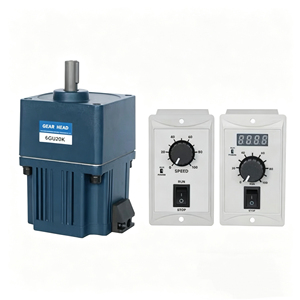
Brushless DC Motor 12v to 220v 3 Phase BLDC Gear Motor
Good Quality Electric Brushless DC Motor 12V 24V 36V 48V 220V 3 Phase BLDC Gear Motor 20W to 2000W With Encoder Brake Controller
Power Range: 20W - 2000W
Voltage Input: 12V - 220V AC/DC
Control Unit: Encoder & Brake Ready
Inquire Now
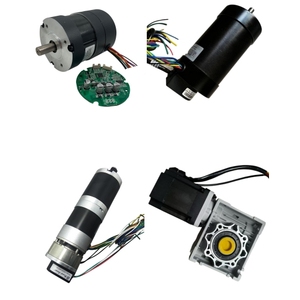
High Efficiency Brushless DC Motor Racer Star
High Efficiency Brushless DC BLDC Motor Racer Star Brushless Motor 25W to 3000W High Torque Series
Power Spectrum: 25W - 3000W
Efficiency Rating: IE3 / >90% Premium
Stator Design: High Lamination Slot
Inquire Now
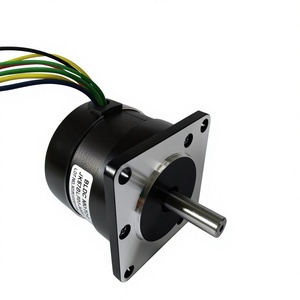
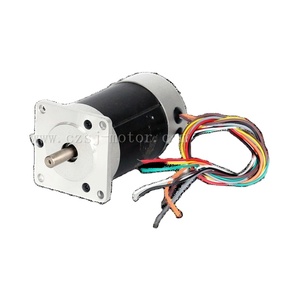
Nema 23 Brushless DC Motor Flange Mount
36V 92W 4000RPM NEMA 23 Brushless DC Motor Flange Mount 0.22Nm Torque for Smart Home & Automation
Frame Size: NEMA 23 (57mm)
Rated Speed: 4000 RPM
Rated Torque: 0.22 N.m
Inquire Now
Low Noise Permanent Magnet Brushless DC Motor IP54
Low Noise Smart 12V 24V 48V 220V 3000RPM Permanent Magnet Brushless DC Motor IP54 Waterproof IE3 Aluminum Alloy
Protection Grade: IP54 Waterproof
Enclosure Material: Die-cast Aluminum
Acoustic Noise: <45 dB Ultra Quiet
Inquire Now
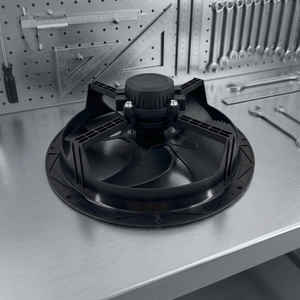
IP65 Waterproof Deep Freezer Fan Motor
Brushless DC Permanent Magnet IE3 High Efficiency IP65 Waterproof Deep Freezer Fan Motor 10W 300-1800RPM
Ingress Rating: IP65 Hermetic
Operating Temp: -40°C to +60°C
Speed Control: PWM / 0-10V Signal
Inquire Now
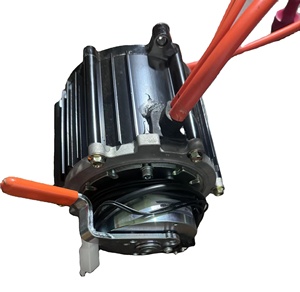
BLDC High Torque 1KW Rickshaw Traction Motor
48V 60V 72V 3100 RPM BLDC High Torque 1KW Rickshaw & Light Traction Drive Motor
Peak Output: 1KW - 2.2KW Peak
Bus Voltage: 48V / 60V / 72V DC
Target Vehicle: E-Rickshaw / AGV
Inquire Now
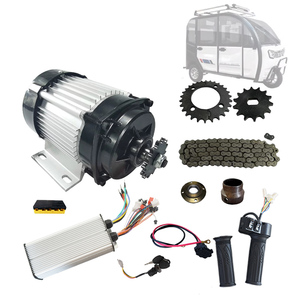
Electric Car Kart Conversion Kit 48V 1000W Motor Kit
DC BRUSHLESS Square Wave Motor Factory Electric Car Human Tricycle Kart Conversion Electric Kit 48V 1000W
System Power: 1000W Heavy Duty
Package Includes: Motor + Controller + Axle
Commutator: Solid-State Brushless
Inquire Now
Compact Size Fully Enclosed Waterproof IP54 Brushless Motor
Compact Size Low Noise Fully Enclosed Waterproof IP54 Aluminum Alloy 12V 24V 48V 220V 60W Brushless Motor
Continuous Power: 60W Eco Line
Velocity Range: 2000 - 3000 RPM
Design Standard: Fully Enclosed TEFC
Inquire Now
120+
Years Combined Engineering Heritage
96.8%
Peak Electromagnetic Efficiency
60+
Global Export Markets
IP68
Maximum Ingress Customization

1. Industry Overview: China's Role in Global Traction Motor & Drive System Manufacturing

The global transition toward electrified mobility, heavy industrial automation, and zero-emission commercial transport has elevated traction motor systems to the core of modern electromechanical engineering. Traction motor systems—encompassing Permanent Magnet Synchronous Motors (PMSM), Brushless DC Motors (BLDC), AC Induction Motors (ACIM), and advanced Variable Frequency Drive (VFD) inverters—serve as the primary muscle driving everything from electric passenger cars, light urban trikes, and automated guided vehicles (AGVs) to heavy-duty locomotives, mining haulers, and marine propulsion units.

China has emerged as the global epicenter for traction motor system engineering, supply chain consolidation, and high-volume precision manufacturing. Driven by unmatched access to rare-earth permanent magnet materials (Neodymium-Iron-Boron, NdFeB), mature automated copper winding infrastructure, and advanced power electronics fabrication, Chinese manufacturers lead the world in power density, thermal efficiency, and cost efficiency. For B2B procurement officers, technical buyers, and system integrators, evaluating the top manufacturers and suppliers in China requires a granular understanding of electromagnetic topologies, insulation classes, cooling methodologies, and total cost of ownership (TCO).

Strategic Insight for Technical Buyers: Evaluating a traction motor manufacturer extends beyond nominal power (kW) and peak torque (Nm). True operational longevity depends on rotor dynamics, lamination thickness (0.2mm to 0.35mm silicon steel), winding slot fill factor, thermal dissipation coefficient under continuous duty (S1 vs. S2/S6 rating), and drive inverter switching frequency compatibility.

Supply Chain Integration

Direct sourcing of high-coercivity NdFeB magnets and low-loss silicon steel laminations enables Chinese OEMs to deliver high torque-to-weight ratios at competitive cost structures.

Electromagnetic Innovation

Pioneering flat-wire hairpin winding technology, oil-spray direct stator cooling, and third-generation Silicon Carbide (SiC) inverter integration for sub-millisecond response times.

Stringent Quality Benchmarks

Leading facilities operate under ISO/TS 16949, LRQA quality standards, EASA service guidelines, and IEC 60034 energy efficiency directives (IE3, IE4, and IE5 benchmarks).

2. Key Technological Trends in Traction Motor & Industrial BLDC Systems

The electromechanical landscape is undergoing rapid innovation driven by demands for higher energy density, lower acoustic noise, and maintenance-free operation across diverse duty cycles. When selecting traction motor systems, engineering teams must align their specifications with four major technological shifts:

2.1 Hairpin Flat-Wire Stator Winding vs. Traditional Concentric Round Wire

Traditional electric motors rely on round enamel copper wire inserted into stator slots. Modern high-density traction motors increasingly utilize hairpin flat-wire stator windings. Flat wire allows a slot fill factor exceeding 70% (compared to 45%-50% for round wire), significantly reducing DC winding resistance, lowering copper losses ($I^2R$), and improving thermal conduction paths directly to the stator core outer frame. This translates into a 15% to 25% increase in continuous torque density.

2.2 Advanced Thermal Management: Direct Oil Cooling and Phase-Change Conduction

Heat dissipation is the ultimate limiting factor for electric motor power output. Excess heat degrades magnet remanence (causing irreversible demagnetization) and breaks down winding insulation (Class H vs. Class C standards). Leading Chinese suppliers have migrated from external air cooling (TEFC) to integrated water-glycol jacket jackets, and further to direct-oil-spray cooling. By atomizing dielectric cooling oil directly onto the end-windings and inner rotor surface, continuous power ratings can approach 80% to 90% of peak power capacity.

2.3 Silicon Carbide (SiC) & Gallium Nitride (GaN) Power Electronics

A traction motor system is incomplete without its match-paired electronic controller / inverter. The shift from classic Silicon IGBTs to Wide Bandgap (WBG) Silicon Carbide (SiC) MOSFETs enables switching frequencies up to 20kHz–50kHz with minimal switching loss. This reduces high-frequency torque ripple, suppresses electromagnetic interference (EMI), minimizes acoustic noise in smart home and EV applications, and elevates overall system efficiency by 4% to 8% across urban stop-and-go drive cycles.

2.4 Axial Flux Topologies for Compact Traction Integration

While radial flux motors dominate standard industrial applications, axial flux permanent magnet (AFPM) architecture is gaining traction in space-constrained wheel-hub drives, lightweight kart kits, and aerospace actuators. Axial flux motors deliver unmatched torque-to-length ratios, enabling ultra-compact chassis packaging without sacrificing low-speed hill-climbing power.

3. Procurement Trends & Sourcing Strategies for B2B Enterprise Buyers

Global procurement teams in 2025 are shifting away from standalone component purchasing toward integrated powertrain sourcing (Motor + Inverter + Gearbox / Axle Assembly). Purchasing an optimized 3-in-1 electric drive module ensures pre-validated electromagnetic compatibility (EMC), matched feedback loops (Resolver, Hall Effect, or Optical Encoder), and single-source warranty accountability.

Total Cost of Ownership (TCO) Equation:
$$TCO = C_{initial} + C_{energy} (100,000 hrs) + C_{maintenance} - R_{residual}$$
Energy consumption accounts for over 90% of a heavy-duty industrial electric motor's total lifecycle cost. Sourcing an IE3 or IE4 efficiency motor over an IE2 equivalent typically yields a full capital expenditure payback within 8 to 14 months of continuous operation.

Key criteria for establishing a robust vendor evaluation matrix when sourcing traction motor systems from China include:

  • Modular Customization Scope: Ability to adapt shaft geometry, flange mountings (NEMA, IEC, SAE), voltage taps (12V low-voltage DC to 750V high-voltage EV buses), and thermal sensors (PT100, KTY84, NTC).
  • Vibration and NVH Compliance: Rotor dynamic balancing to ISO 1940 Grade G1.0 or G2.5 to eliminate harmonic vibration, extend bearing life (SKF/NSK ceramic hybrid bearings), and maintain silent operation.
  • Environmental Sealing & Harsh Environment Rating: Ingress Protection ranging from IP54 for enclosed industrial fan units to IP67/IP68 hermetic sealing for submersible pumps, mining equipment, and marine drive systems.

4. Comparative Matrix: Traction Motor Topologies & Application Fit

To assist engineering and procurement teams in matching operational requirements with optimal motor topologies, the following structured decision table summarizes key performance characteristics:

Motor Topology Peak Efficiency Torque Density Overload Capacity Cooling Options Typical Industrial / Vehicle Applications
Brushless DC (BLDC) 90% - 94% High 2.5x Rated Air / Aluminum Case E-Rickshaws, AGVs, Smart Home, HVAC Fans, Light Karts
Permanent Magnet Synchronous (PMSM) 94% - 97% Ultra High 3.0x Rated Liquid Jacket / Oil Spray Electric Passenger EVs, Heavy Machinery, High-Speed Traction
AC Induction Motor (ACIM) 88% - 92% Medium 2.0x Rated TEFC Forced Air Industrial Pumps, Conveyors, Auxiliary Drives, Heavy Rail
Laminated Frame DC Motor 86% - 91% Medium High 2.2x Rated Blower Cooled (IC06) Metal Rolling Mills, Paper Machinery, Extruders, Winches
Axial Flux PM Motor 95% - 97% Extreme (Axial) 2.8x Rated Direct Liquid Cooled Wheel Hub Drives, Hybrid Powertrains, eVTOL Aviation

5. Enterprise Manufacturing Standards & Quality Engineering

High-reliability traction motor production demands strict quality control protocols across every phase of fabrication. Drawing from proven global engineering traditions—such as those championed by established leaders like T-T Electric with over 120 years of rotating machine expertise—top Chinese manufacturers integrate rigorous testing regimes into their automated production lines.

Industrial Electric Motor Manufacturing Facility

Global Manufacturing Heritage & Quality Certifications

Leading motor manufacturing plants operate under fully integrated Quality Management Systems certified to ISO 9001 and ISO/TS 16949 standards. Every motor batch undergoes automated surge insulation testing, high-potential dielectric breakdown testing (Hi-Pot), full-load dynamometer thermal runs, and laser shaft alignment verifications prior to dispatch.

Adherence to recognized industry body benchmarks—such as membership standards in EASA (Electrical Apparatus Service Association) and AEMT (Association of Electrical and Mechanical Trades)—guarantees spare parts interchangeability, full serial-number tracking, and long-term aftermarket field support.

LRQA Quality Certification EASA Member Logo AEMT Member Logo

6. Frequently Asked Questions (FAQ) for Engineering & Sourcing Managers

What is the difference between BLDC and PMSM motors in traction applications?
While both topologies utilize permanent magnets on the rotor, the core difference lies in their stator winding geometry and back-EMF waveform. BLDC motors feature concentrated windings generating a trapezoidal back-EMF wave, typically controlled via 6-step trapezoidal (block) commutation. PMSM motors feature distributed or slotted windings producing a sinusoidal back-EMF wave, requiring Field Oriented Control (FOC) vector inverters. PMSM systems offer smoother torque output at low speeds, higher continuous efficiency, and lower torque ripple, making them ideal for premium electric vehicles and high-precision servos. BLDC motors provide robust torque at lower controller complexity and cost, ideal for e-rickshaws, karts, fans, and light utility machinery.
How does Ingress Protection (IP54 vs IP65 vs IP68) affect motor durability?
Ingress Protection defines seal integrity against dust and water. IP54 provides protection against harmful dust deposits and splash water from any direction (suitable for indoor industrial machinery and fan units). IP65 provides dust-tight protection and resistance to direct water jets (critical for commercial freezer fans and exposed automotive chassis). IP67/IP68 guarantees total protection against continuous immersion under pressure, required for submersible pumps, off-road vehicle wheel hubs, and marine propulsion equipment.
Why is thermal class rating (Class H vs Class F) critical for custom motor procurement?
The insulation thermal class specifies the maximum allowable temperature of the motor windings under continuous load. Class F insulation is rated for up to 155°C total operating temperature, while Class H is rated for up to 180°C. Sourcing motors designed with Class H insulation impregnated with vacuum pressure impregnation (VPI) resin provides a 25°C thermal safety margin, protecting the motor against transient voltage spikes, ambient temperature surges, and heavy overload cycles.
Can Chinese traction motor suppliers provide custom shaft dimensions and controller pairings?
Yes. Leading OEM/ODM manufacturers offer extensive customization including spline shafts, keyway options, custom mounting flanges (NEMA/IEC), specialized voltage windings (12V to 750V DC), integrated optical or magnetic encoders, mechanical spring-applied holding brakes, and pre-calibrated sine-wave/square-wave controllers equipped with CAN bus or RS485 communication protocols.
What lead times and quality guarantees can B2B buyers expect for custom motor orders?
Standard prototype customization sample lead times range from 15 to 25 working days, with mass production runs averaging 30 to 45 days depending on lamination tooling requirements. Premium suppliers back their production with a 12 to 24-month comprehensive mechanical and electromagnetic warranty, complete with 100% factory test reports (dynamometer curves, isolation resistance, and noise spectrum analysis).

7. Strategic Procurement Takeaways & Engineering Consultation

Selecting the optimal China traction motor manufacturer or supplier requires balancing technical rigor with commercial agility. By prioritizing suppliers with proven thermal engineering capabilities, automated winding quality, robust NdFeB supply chains, and international compliance certifications, purchasing teams can secure high-performance drive solutions that lower Total Cost of Ownership and ensure long-term market competitiveness.

Ready to Optimize Your Powertrain Specifications?

Contact our application engineering team today to request detailed technical datasheets, CAD models, dynamometer test reports, or custom quotation benchmarks for your project.