Industrial Motion Control Engineering Whitepaper

China Top Motion Control Drives Manufacturers & Suppliers

Next-Generation Industrial Automation, Multi-Axis Servo Intelligence, High-Precision Power Electronics & Global OEM Procurement Sourcing Architecture

High-Precision Hardware Portfolio

Featured Motion Control Drives & Multi-Axis Units

Engineered for extreme torque fidelity, deterministic network latency, and continuous industrial duty cycles across modern machinery.
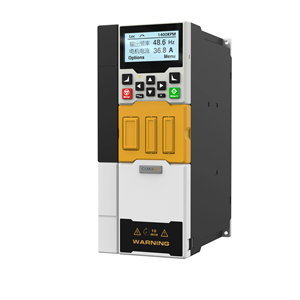
Variador De Frecuencia AC Drive 380V 440V Three Phase Motor Controller for Centrifuge VFD Drive
Variador De Frecuencia 0.75kW–5.5kW AC Drive 380V 440V Three Phase Motor Controller for Centrifuge
  • Voltage: 380V / 440V 3-Phase
  • Power Range: 0.75kW to 5.5kW
  • High-Torque Centrifuge Control
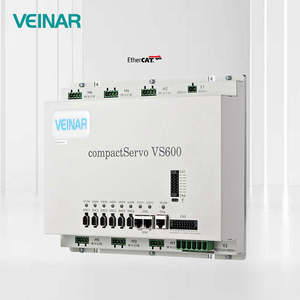
220V Industrial Motion Control Controller 6 Axis Multi Axis Drive Unit EtherCAT EtherCAT Multi-Axis
220V Industrial Motion Control Controller 6 Axis Multi Axis Drive Unit With EtherCAT System
  • Axis Configuration: 6-Axis Motion
  • Bus Protocol: Real-Time EtherCAT
  • Voltage: 220V Synchronous Control
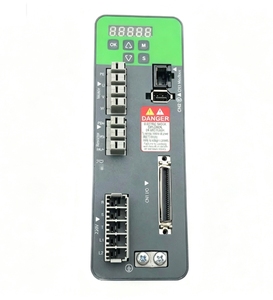
LXM26DU20M3X Three Phase 2KW Motion Servo Drive High Precision Position Torque Control 2KW Servo Drive
LXM26DU20M3X Three Phase 2KW Motion Servo Drive High Precision Position Torque Control
  • Power Output: 2.0 kW 3-Phase
  • Control Loops: Position, Speed & Torque
  • Application: High-Speed Automation
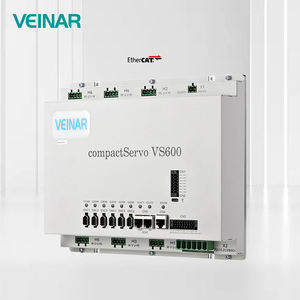
6 Axis Multi Axis Motion Drive EtherCAT Motion System 220V Precision Industrial Controller 6-Axis Precision
6 Axis Multi Axis Motion Drive EtherCAT Motion System 220V Precision Industrial Controller
  • System Architecture: Integrated 6-Axis
  • Deterministic Latency: < 1 ms
  • Industrial Robotics & CNC Ready
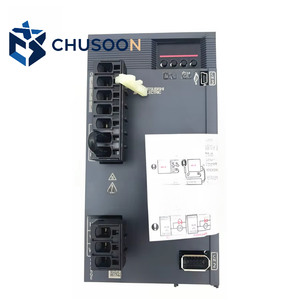
MR-JE-300A MELSERVO-JE Series AC Servo Drive 3kW 200V 3-Phase Intelligent Motion Controller 3kW AC Servo
Original MR-JE-300A MELSERVO-JE Series AC Servo Drive 3kW 200V AC 3-Phase Intelligent Controller
  • Rating: 3.0 kW / 200V 3-Phase
  • Auto-Tuning: Real-Time Suppression
  • High-Resolution Encoder Input
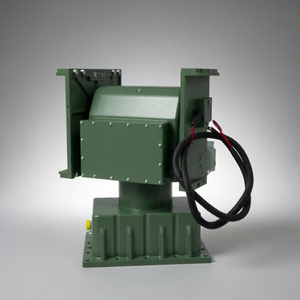
Harmonic Drive Precision Turntable 50kg VT-HP50 With Smooth Motion Control Harmonic Turntable
Harmonic Drive Precision Turntable 50kg VT-HP50 With Smooth Motion Control Module
  • Payload Capacity: 50 kg Dynamic
  • Transmission: Zero-Backlash Harmonic
  • Position Repeatability: < 10 Arcsec
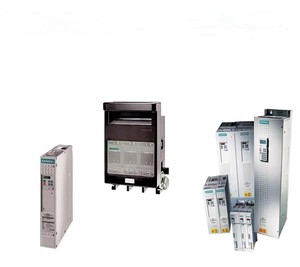
Simovert 6SE7031-2EF60 55KW Frequency Converter Main Drive Motion Control PLC Module 55kW Converter
Simovert 6SE7031-2EF60 55KW Frequency Converter Main Drive Motion Control PLC Module Controller
  • Power Capacity: 55 kW Heavy Duty
  • Topology: Vector Frequency Converter
  • System Integration: PLC & Bus Network
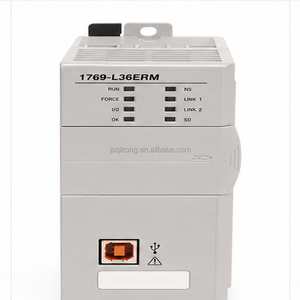
Original Genuine 1769-L36ERM 5370 L3 PLC Motion Controller Dual Ethernet CIP Motion CIP Motion PLC
Original Genuine 1769-L36ERM 5370 L3 PLC Motion Controller With Dual Ethernet DLR 16 Axis CIP
  • Motion Capacity: 16 Axis CIP Motion
  • Network: Dual Ethernet Port with DLR
  • Memory: 3 MB Embedded Work Memory

Executive Summary: The Evolution of Motion Control Drives in Chinese Manufacturing

The global industrial landscape is undergoing a massive transformation driven by Industry 4.0, smart factory integration, and ultra-high-precision mechanical processing requirements. Motion control drives sit at the absolute core of this technological convergence. Acting as the critical interface between high-level PLC control intelligence and physical actuator execution, modern motion control drives regulate position, velocity, and dynamic torque with sub-micron precision. Chinese OEM manufacturers have evolved from low-cost hardware producers into global powerhouses of power electronics innovation, modular motor design, and real-time fieldbus integration.

Selecting top-tier China motion control drive suppliers requires evaluating hardware topology, thermal dissipation dynamics, fieldbus determinism (such as EtherCAT, PROFINET, and CIP Motion), dynamic loop response frequency, and compliance with rigorous international standards (such as ISO 9001, LRQA, EASA, and AEMT). This technical guide serves as an authoritative whitepaper for procurement managers, automation system integrators, and OEM design engineers seeking high-gain information on sourcing motion control drive systems.

"Modern motion control goes beyond simple variable frequency modulation. Today's high-performance drives integrate dual-core DSP architectures, FPGA acceleration loops, real-time vibration suppression algorithms, and multi-axis CIP Motion capabilities to deliver peak operational efficiency with zero unplanned downtime."
120+
Years Combined Engineering Legacy
< 1ms
EtherCAT Dynamic Latency
98.8%
Inverter Stage Efficiency (IE4/IE5)
24/7
Global Field Service Guarantee
World-Class Engineering & Quality Control

Enterprise Capabilities & Manufacturing Excellence

Combining over 120 years of rotating machine heritage with cutting-edge Chinese manufacturing agility and international quality compliance.

LRQA ISO 9001 & International Certifications

Our production facilities maintain strict LRQA quality assurance standards. Every motion controller, AC servo drive, and frequency converter undergoes full-load thermal burn-in, automated PCB optical inspection (AOI), and high-voltage dielectric insulation testing prior to global dispatch.

EASA & AEMT Global Member Network

As active members of the Electrical Apparatus Service Association (EASA) and the Association of Electrical and Mechanical Trades (AEMT), our engineering designs follow international electromechanical standards, ensuring seamless retrofitting for European and North American machinery.

24-Hour Technical Response & Diagnostics

We guarantee dedicated technical response within 24 hours. Our elite application engineers provide fieldbus topology design, dynamic servo tuning, custom firmware integration, and remote troubleshooting across all major industrial time zones.

Full OEM/ODM Traceability & Spare Parts System

Every motion drive features serialized barcode tracking, allowing full historical component verification. Whether sourcing modular DC drives, square-frame AC motors, or harmonic turntable assemblies, genuine OEM parts are permanently archived for rapid dispatch.

Technology Roadmap 2025–2030

Key Motion Control Drive Development Trends

Emerging engineering paradigms defining the next decade of high-speed processing, robotics, and smart power electronics.

1. Deterministic Ethernet & CIP Motion Integration

Traditional analog control signals (±10V) and pulse/direction interfaces are being superseded by real-time industrial Ethernet protocols. Systems integrating EtherCAT, PROFINET IRT, and CIP Motion over Ethernet/IP enable sub-millisecond synchronization across dozens of axes, eliminating spatial phase jitter in multi-axis CNC machines and robotic cells.

2. Wide-Bandgap Semiconductor Inverters (GaN & SiC)

The adoption of Silicon Carbide (SiC) and Gallium Nitride (GaN) MOSFETs in drive power stages dramatically reduces switching losses, allowing higher PWM switching frequencies (up to 100 kHz). This results in significantly lower motor harmonic heating, reduced acoustic noise, and ultra-compact drive enclosure footprints.

3. Edge AI & Predictive Maintenance Analytics

Next-generation Chinese motion drives feature embedded microcontrollers capable of running real-time vibration analysis, current signature monitoring (MCSA), and temperature drift modeling. By detecting bearing wear and mechanical backlash early, drives communicate diagnostic alerts directly to edge servers prior to physical failure.

4. Direct Drive & Zero-Backlash Harmonic Coupling

The elimination of traditional gearboxes in favor of direct-drive rotary (DDR) motors and precision harmonic drive turntables is expanding rapidly. Drives designed specifically for high-inertia ratios deliver silky-smooth motion profile curves without mechanical backlash, ideal for semiconductor manufacturing and optical positioning.

5. Integrated Safety Functions (STO, SS1, SLS)

Functional safety has migrated directly into the motion drive hardware. Modern controllers feature hardware-integrated Safe Torque Off (STO), Safe Stop 1 (SS1), and Safe Limited Speed (SLS) compliant with IEC 61800-5-2 (SIL3 / PLe), reducing safety relay wiring and panel space requirements.

6. Multi-Axis Co-Bus Energy Regeneration

Multi-axis drive architectures utilize a shared DC bus topology. Decelerating axes feed kinetic energy back into the central bus, supplying motoring axes directly. Excess energy is managed via active front-end (AFE) regenerative units, lowering overall factory energy consumption by up to 30%.

Future Procurement Trends for Global Industrial Buyers

Global procurement strategies for electric motors, frequency converters, and motion controllers have shifted fundamentally from initial hardware purchase price toward Total Cost of Ownership (TCO), supply chain resilience, and standard modularity. When sourcing motion control drives from China, international buyers are establishing sophisticated evaluation frameworks:

Supply Chain Multi-Sourcing & Standardized Protocols

Industrial enterprises are increasingly selecting drive manufacturers whose hardware supports open fieldbus standards (such as EtherCAT and CANopen) rather than proprietary closed protocols. This ensures cross-brand interchangeability, mitigating vendor lock-in risk during supply chain disruptions.

Demand for IE4/IE5 Energy Standard Compliance

With stringent carbon neutrality mandates across Europe, Asia, and North America, drive procurement teams prioritize variable speed drives (VFDs) and AC servo amplifiers capable of operating IE4 (Super Premium Efficiency) and IE5 (Ultra-Premium) permanent magnet synchronous motors (PMSM).

Rapid OEM Customization & Modular Firmware

Leading Chinese manufacturers excel at rapid prototyping. Sourcing teams look for suppliers capable of tailoring PCB form factors, custom motor feedback encoder interfaces (BISS-C, EnDat 2.2, Tamagawa), and specialized firmware application blocks (e.g., tension control, flying shears, centrifuge profiles).

Engineering Comparison Matrix

Motion Control Drive Technical Specifications

Comparative analysis of power rating, bus communication, control loop bandwidth, and industrial target applications.

Drive Category Power Range Supported Bus Protocols Feedback Interfaces Target Applications
Three-Phase Centrifuge VFDs 0.75kW – 55kW Modbus RTU, CANopen, RS485 V/F Control, Open-Loop Vector Industrial Centrifuges, Pumps, Fans, Mixers
Multi-Axis EtherCAT Controllers 0.4kW – 15kW (Per Axis) EtherCAT, Ethernet/IP, Modbus TCP Absolute 23-bit Encoder, Incremental 6-Axis Robotics, CNC Machining Centers, Packaging
High-Precision AC Servo Drives 1.0kW – 7.5kW EtherCAT, PROFINET, Direct Pulse Tamagawa, EnDat 2.2, BISS-C Pick-and-Place, Semiconductor, Laser Cutting
Harmonic Turntable Modules 50kg – 300kg Dynamic Payload EtherCAT, CANopen, RS485 Integrated Direct Optical Encoder Precision Indexing Tables, Automated Inspection
16-Axis CIP Motion PLCs Scalable Control System Dual Ethernet DLR, CIP Motion Fieldbus Distributed I/O Complex Process Lines, Assembly Automation
Knowledge Base & Sourcing FAQ

Frequently Asked Questions by Industrial Buyers

Addressing key technical questions regarding selection, fieldbus compatibility, thermal design, and international shipping.

1. What is the difference between a standard Variable Frequency Drive (VFD) and a Motion Servo Drive?
A standard Variable Frequency Drive (VFD) primarily regulates AC motor speed and torque by adjusting the frequency and voltage of the power supplied. VFDs are optimized for velocity-controlled applications such as pumps, fans, and centrifuges. In contrast, a Motion Servo Drive operates in a closed-loop topology using high-resolution encoder feedback to control motor position, speed, and torque with extreme dynamic response. Servo drives enable precise spatial positioning, rapid acceleration, and multi-axis synchronization required in robotics and CNC machinery.
2. Why is EtherCAT preferred for multi-axis industrial motion control drive systems?
EtherCAT (Ethernet for Control Automation Technology) provides deterministic real-time communication with cycle times below 100 microseconds and dynamic jitter under 1 microsecond. Its "processing on the fly" Ethernet frames allow multi-axis controllers (such as 6-axis drive units) to process data efficiently without communication bottlenecks, ensuring precise interpolated movement across complex 3D paths.
3. How do I size a motion control drive for high-inertia centrifuge or heavy machinery loads?
Sizing requires evaluating peak dynamic torque, continuous thermal current capacity, dynamic braking capacity, and the inertia mismatch ratio between motor rotor and load. For centrifuges, high starting torque and extended deceleration duty profiles are critical; drives must include built-in dynamic braking units or regenerative active front-end modules to safely dissipate back-EMF energy.
4. What thermal management and IP protection standards should be specified for harsh industrial environments?
In environments with conductive dust, chemical moisture, or extreme ambient temperatures, drives should be housed in NEMA 12 / IP54 enclosures or feature conformal-coated internal PCBs (3S2/3C2 rating compliant with IEC 60721-3-3). Heat sinks must be isolated via push-through mounting techniques, allowing cabinet exterior airflow to dissipate power stage heat without contaminating internal electronics.
5. Are Chinese-manufactured motion drives compatible with European PLCs like Siemens, Beckhoff, or Schneider?
Yes. Leading Chinese motion control drive manufacturers implement standard open fieldbus stacks, including EtherCAT, PROFINET, CANopen, and Modbus TCP. Suppliers provide standardized GSDML (PROFINET) or ESI (EtherCAT XML) device description files, allowing seamless configuration, I/O mapping, and motion profiling directly inside Siemens TIA Portal, Beckhoff TwinCAT, or Schneider EcoStruxure programming environments.
6. What measures ensure low electromagnetic interference (EMI) compliance in motion control drives?
High-grade drive designs incorporate built-in Category C2 or C3 EMC/RFI filters compliant with EN 61800-3 standards. Features such as 360-degree shielded cable clamps, ferrite core noise chokes, optimized IGBT switching gate resistance, and isolated control ground planes ensure electromagnetic compatibility without disrupting sensitive sensors or nearby communications equipment.
7. How does a harmonic drive precision turntable improve automated machine accuracy?
Harmonic drive turntables utilize strain-wave gearing technology, achieving near-zero backlash (< 10 arcseconds) and high torque-to-weight ratios in a compact footprint. When integrated with smooth motion controllers, they enable accurate rotary positioning for indexing tables, robotic wrist joints, and optical alignment platforms without mechanical compliance error.
8. What lead times and customization options are available for industrial OEM drive orders?
Standard modular drive configurations typically dispatch within 5 to 10 working days. For OEM customized orders (custom voltage levels, custom mounting flanges, pre-flashed application firmware, or tailored enclosure dimensions), typical engineering design and production lead times range from 3 to 5 weeks, supported by full factory acceptance testing (FAT) documentation.

Request Complete Technical Catalog & CAD Models

Connect directly with our senior motion control application engineers. Obtain detailed product datasheets, fieldbus configuration files, and competitive OEM pricing within 24 hours.

Get Catalog
LRQA Certified Production
EASA & AEMT Member
100% Full-Load Factory Tested
24h Global Engineer Support