
State of the Art in High-Torque Gearhead Motors: Manufacturing & Engineering Analysis
In modern industrial automation, robotics, and commercial electric transport, selecting the optimal electric motor gear assembly is critical to operational stability, thermal control, and energy efficiency. China's manufacturing ecosystem for high-torque gear motors has evolved from low-cost assembly to world-class precision engineering. By integrating specialized rare-earth neodymium permanent magnets (NdFeB), planetary and spur gearbox redactors, and smart motor drive controllers, leading Chinese OEM/ODM suppliers now offer drive solutions matching stringent ISO 9001, LRQA, EASA, and AEMT standards.
1. Technical Architecture of High-Torque Brushless Gear Motors
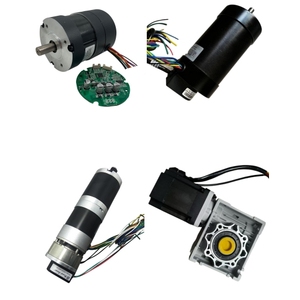
High torque output at low rotative speeds cannot be efficiently achieved through electrical winding design alone without severely increasing stator size and mass. The application of mechanical reduction units—such as planetary gearboxes, right-angle worm gears, and spur gearheads—allows high-speed BLDC rotors (operating between 2,000 RPM and 6,000 RPM) to convert kinetic energy into extreme mechanical torque with minimal transmission losses.
Key architectural elements engineered by top China suppliers include:
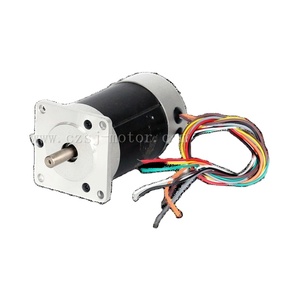
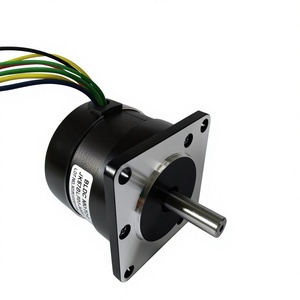
- Stator & Rotor Electromagnetic Design: Laminated high-permeability silicon steel sheets (0.35mm to 0.5mm thickness) minimize eddy current losses. High fill-factor copper windings ensure maximum magnetomotive force (MMF).
- Gearhead Heat-Treatment & Tooth Profile: Carburized and ground alloy steel gears (such as 20CrMnTi) provide high tooth strength and minimal backlash (<5-10 arcmin in precision planetary versions).
- Integrated Sensing & Braking Modules: Dual-channel incremental magnetic or optical encoders (1024-4096 CPR) combined with 24V DC failsafe electromagnetic hold brakes allow sub-millimeter positioning accuracy in AGVs and robotics.
- Die-Cast Enclosure Thermal Management: High-grade ADC12 or 6063 aluminum alloy housings feature engineered cooling fins that disperse heat generated under continuous heavy S1 duty cycles.
2. Comparative Engineering Specifications Matrix
The following benchmark matrix compares key engineering characteristics across standard high-torque BLDC gear motor families available from tier-1 Chinese manufacturers:
| Motor Family Category | Voltage Range | Power Rating | Nominal Torque Output | Protection Rating | Primary Industrial Applications |
|---|---|---|---|---|---|
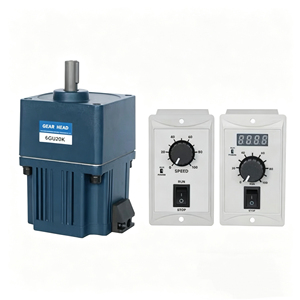
| Micro/Compact BLDC Gearhead | 12V - 36V DC | 20W - 120W | 0.22 Nm – 8.0 Nm | IP54 / IP65 | Medical Devices, Smart Home, Automated Valves |
| Mid-Range Industrial Planetary BLDC | 24V - 48V DC | 200W - 750W | 5.0 Nm – 45.0 Nm | IP65 / IE3 Class | Conveyor Belts, AGV Wheel Drives, Solar Trackers |
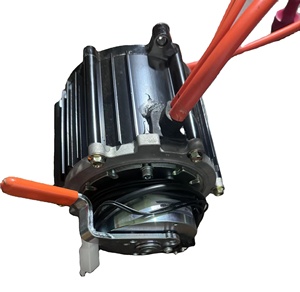
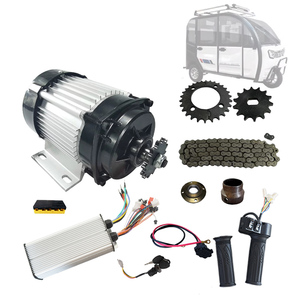
| Heavy-Duty Mobility & Traction Motor | 48V - 72V DC | 1000W - 3000W | 30.0 Nm – 180.0 Nm | IP54 / IP65 | Electric Rickshaws, Cargo Karts, Construction AGVs |
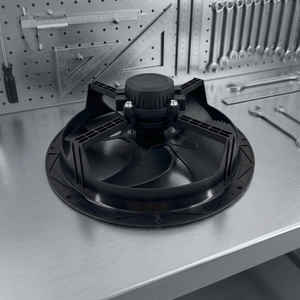
| Sub-Zero Sealed Refrigeration Motor | 110V - 220V AC/DC | 10W - 60W | 0.15 Nm – 1.2 Nm | IP65 Waterproof | Deep Freezers, Cold Chain Evaporators, HVAC |
3. Strategic Procurement & OEM Quality Audit Protocol
When sourcing high torque gear motors from Chinese manufacturers, global procurement teams must move beyond unit price evaluations and conduct rigorous technical verification based on E-E-A-T (Experience, Expertise, Authoritativeness, and Trustworthiness) standards. Low-quality gear motors often suffer from rapid gear wear, rotor demagnetization under heat, and seal breakdown under wet conditions.
To mitigate procurement risks, verify the following four critical quality control gates during supplier vetting:
1. Dynamometer Load Testing
Ensure the factory uses full-load dyno testing rigs to measure continuous torque vs. speed curves, thermal saturation points, and efficiency under S1 continuous load.
2. Vibration & Acoustic Testing
Verify compliance with ISO 10816 vibration severity standards. Precision gear teeth grinding reduces gear mesh noise below 45-50 dB(A).
3. Ingress Protection (IP) Verification
For outdoor or cold-storage motors, inspect vacuum impregnation of stator windings and double-lip rotary shaft oil seal specifications (FKM/NBR).
4. Industry Trends Shaping Future Procurement (2025–2030)
The industrial drive ecosystem is experiencing a rapid technological transformation driven by energy efficiency regulations and smart manufacturing mandates:
A. Integration of Smart Fieldbus Controllers: Traditional discrete motor and drive setups are being replaced by integrated motor-drive units featuring CANopen, EtherCAT, or Modbus RTU communications directly mounted on the motor end-bell. This reduces control cabinet wiring by up to 60%.
B. Transition to IE4 & IE5 Super-Premium Efficiency: Global carbon neutrality targets are accelerating the replacement of induction gear motors with Permanent Magnet BLDC systems. High-torque BLDC motors maintain >90% efficiency across a broad speed range, significantly outperforming AC induction alternatives.
C. Modular Customization (Speed, Shafting, Gear Ratios): Tier-1 Chinese manufacturers now offer modular tooling systems, enabling customized D-cut or keyway output shafts, specialized planetary gear ratios (from 3:1 to 512:1), and customized winding constant (Kv) configurations with low Minimum Order Quantities (MOQs).
5. Manufacturing Capabilities & Engineering Heritage
Rooted in over 120 years of combined industrial electric motor engineering excellence, our manufacturing facilities merge classic precision machine craftsmanship with modern automated assembly. Certified under LRQA ISO 9001 standards and holding active memberships in EASA (Electrical Apparatus Service Association) and AEMT, our production lines deliver world-class rotating equipment solutions trusted in over 60 countries.
Whether your project requires low-noise micro motors for smart appliances or heavy-duty 3000W BLDC conversion kits for electric mobility platforms, our engineering team guarantees comprehensive OEM support, full material traceability, and 24-hour technical response turnarounds.